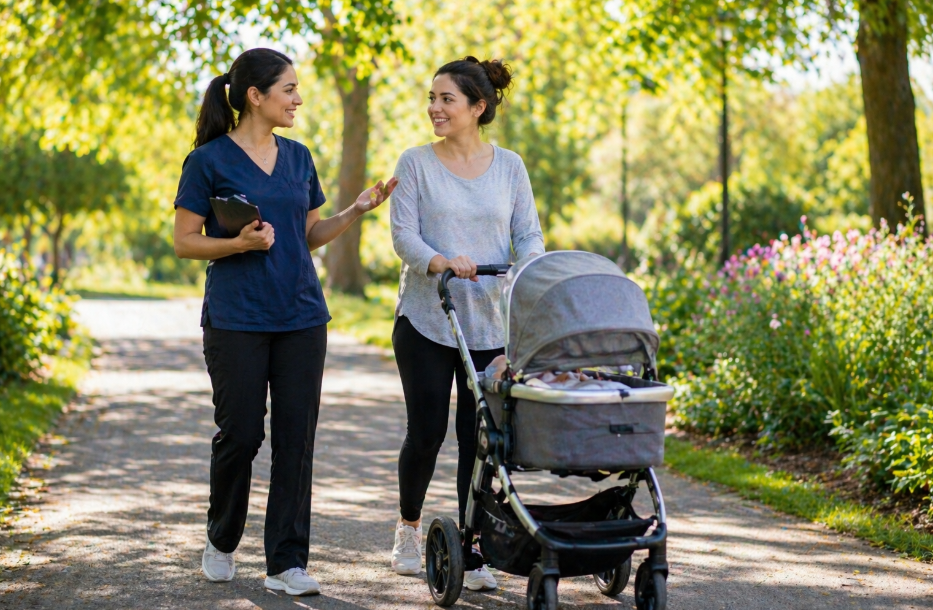
Bringing a baby into the world is one of life’s biggest milestones. It is exciting, emotional, and deeply transformative. Yet while much of the focus goes to pregnancy and newborn care, many mothers quickly discover that recovery after birth deserves just as much attention. The postpartum period can be physically demanding, emotionally intense, and mentally exhausting.
This is where a quality postpartum care service can make a meaningful difference. Professional support after childbirth helps mothers heal, regain strength, adjust to new routines, and receive the guidance they need during one of the most vulnerable stages of life.
At the same time, postnatal wellness goes beyond simply recovering from delivery. It includes sleep, nutrition, stress management, emotional balance, confidence, and overall well-being. For many women, having access to postpartum mental health support is just as important as physical care.
In this guide, we’ll cover what postpartum care services include, why postnatal wellness matters, how to recognize mental health challenges after birth, and practical ways to build a healthier recovery journey.
What Is a Postpartum Care Service?
A postpartum care service refers to professional support provided to mothers after childbirth. This support can begin immediately after delivery and continue through the first several weeks or months, depending on the family’s needs.
The postpartum period is often called the “fourth trimester” because it involves major physical and emotional changes. During this time, mothers may need help recovering from labor, learning newborn care routines, and adapting to life with a baby.
Postpartum care services may include:
- Recovery monitoring after vaginal birth or C-section
- Breastfeeding and lactation guidance
- Emotional wellness check-ins
- Nutrition and hydration support
- Sleep and fatigue management strategies
- Newborn care education
- Referrals to specialists when needed
- Household adjustment support for growing families
Rather than leaving mothers to figure everything out alone, postpartum care offers structured help when it matters most.
Why Postnatal Wellness Matters
Many people assume that once the baby arrives, the hardest part is over. In reality, childbirth is only the beginning of another major phase: recovery.
Postnatal wellness means supporting the mother’s body, mind, and daily functioning after birth. It recognizes that healing is not just about stitches, soreness, or medical checkups. True recovery includes energy, emotional stability, sleep quality, hormonal balance, and confidence in motherhood.
When postnatal wellness is prioritized, mothers often experience:
- Faster physical recovery
- Better stress management
- Improved breastfeeding confidence
- Lower risk of burnout
- Stronger emotional resilience
- Healthier family adjustment
- Better long-term wellness outcomes
A mother’s well-being directly affects the household. When she is supported, the entire family benefits.
Common Physical Challenges After Birth
Every postpartum journey is different. Some mothers feel relatively strong within weeks, while others need extended support. There is no universal timeline.
Here are common physical challenges many women face:
Vaginal Birth Recovery
Even uncomplicated vaginal births may involve soreness, swelling, tearing, or pelvic discomfort. Sitting, walking, and basic movement can be uncomfortable in the early days.
C-Section Recovery
A cesarean birth is major abdominal surgery. Recovery often includes incision pain, limited mobility, fatigue, and a longer healing timeline.
Bleeding and Hormonal Shifts
Postpartum bleeding is common for several weeks. Hormones also drop sharply after birth, which can affect mood, energy, and sleep.
Breastfeeding Discomfort
Some mothers experience engorgement, nipple pain, latch difficulties, clogged ducts, or frustration while learning to breastfeed.
Exhaustion
Newborn sleep schedules often leave parents running on fragmented rest. Sleep deprivation can intensify physical pain and emotional stress.
Nutritional Depletion
Pregnancy, labor, and breastfeeding can drain energy reserves. Many mothers need support rebuilding strength through nutrition and hydration.
These are exactly the moments where a professional postpartum care service can provide reassurance, guidance, and practical solutions.
Understanding Postpartum Mental Health Support
Physical healing is only part of postpartum recovery. Emotional and mental wellness deserve equal attention.
Postpartum mental health support includes screening, counseling, education, coping strategies, and referrals for mothers dealing with emotional distress after childbirth.
Many mothers experience the “baby blues” in the first two weeks after delivery. This may include:
- Mood swings
- Tearfulness
- Irritability
- Feeling overwhelmed
- Sensitivity or anxiety
These symptoms are common and often temporary.
However, some women experience more serious conditions such as postpartum depression or postpartum anxiety.
Common Signs of Postpartum Depression
- Persistent sadness
- Loss of interest in daily life
- Hopelessness
- Feeling disconnected from the baby
- Excessive guilt
- Trouble eating or sleeping even when given the chance
Common Signs of Postpartum Anxiety
- Constant worry
- Racing thoughts
- Panic symptoms
- Fear that something bad will happen
- Inability to relax
- Compulsive checking behaviors
These experiences are more common than many realize, and they are treatable. Seeking help is a sign of strength, not weakness.
Why Mental Health Support Should Be Part of Every Recovery Plan

Too often, postpartum recovery plans focus only on physical healing. But emotional stress can deeply affect recovery, relationships, sleep, and bonding.
When mental health support is included early, mothers often feel more stable and confident.
Benefits of early support include:
- Reduced feelings of isolation
- Faster recognition of warning signs
- Better coping tools
- Improved partner and family communication
- Stronger bonding experiences
- Reduced long-term emotional strain
Mental health support can come in many forms:
- Therapy or counseling
- Support groups for new mothers
- Wellness coaching
- Family education
- Mindfulness and stress reduction tools
- Medical care when clinically needed
No mother should feel she must silently “push through” emotional suffering.
Types of Postpartum Care Services Available
Families today have more options than ever for postpartum support. Depending on location and budget, care may include one or several of the following.
In-Home Postpartum Support
Professionals visit the home to help with recovery, feeding guidance, newborn care, and family adjustment.
Postpartum Doulas
Doulas provide non-medical support, education, emotional reassurance, and hands-on help during the transition into parenthood.
Lactation Consultants
Specialists assist with breastfeeding concerns such as latch issues, milk supply, pumping routines, and pain.
Virtual Care Services
Telehealth options make postpartum guidance more accessible for families who prefer care from home.
Mental Health Counseling
Licensed professionals help mothers navigate anxiety, depression, trauma, overwhelm, or adjustment stress.
Nutrition and Recovery Coaching
Some services focus on meal planning, healing foods, hydration, and rebuilding strength after birth.
The best approach is often personalized care that matches the mother’s specific needs.
How to Choose the Right Postpartum Support Provider
Not all care providers offer the same level of service. Choosing the right fit matters.
Look for Relevant Experience
Ask about training in maternal recovery, lactation, newborn care, and emotional support.
Prioritize Compassionate Communication
New mothers need care that feels respectful, calm, and judgment-free.
Ask About Flexibility
Newborn life is unpredictable. Scheduling flexibility can be extremely valuable.
Check for Personalized Plans
Every birth experience is different. Avoid one-size-fits-all approaches.
Review Testimonials
Feedback from other families can reveal reliability, professionalism, and bedside manner.
Consider Mental Health Awareness
A quality provider should recognize emotional warning signs and know when to recommend additional support.
The right provider should leave you feeling safer, calmer, and more supported.
Practical Tips for Better Postnatal Wellness at Home
Even with professional care, daily habits make a difference. Here are practical ways to improve recovery.
Accept Help
Allow trusted family or friends to assist with meals, laundry, errands, or baby care.
Prioritize Rest Over Perfection
The house does not need to be perfect. Recovery is more important than chores.
Eat Nourishing Foods
Focus on hydration, protein, iron-rich foods, healthy fats, and easy-to-digest meals.
Move Gently
When approved by your provider, light movement can improve circulation, mood, and recovery.
Do Emotional Check-Ins
Ask yourself daily: How am I feeling physically? Emotionally? What support do I need today?
Limit Comparison
Social media often hides the real postpartum experience. Every recovery path is different.
Ask for Help Early
Small struggles can grow when ignored. Early support is usually easier and more effective.
When to Seek Immediate Help
Some symptoms require urgent medical or mental health attention.
Seek immediate help if you experience:
- Heavy bleeding soaking pads rapidly
- Fever or infection symptoms
- Severe pain worsening over time
- Chest pain or breathing trouble
- Thoughts of self-harm
- Thoughts of harming the baby
- Panic attacks that feel unmanageable
- Inability to function or care for yourself
Emergency symptoms should never be delayed or minimized.
Frequently Asked Questions
What does a postpartum care service include?
It may include physical recovery support, breastfeeding help, newborn education, emotional wellness check-ins, nutrition guidance, and referrals.
How long should postpartum recovery last?
Recovery varies. Some mothers feel stronger in weeks, while others need several months of support.
What is postnatal wellness?
Postnatal wellness refers to whole-person recovery after childbirth, including body healing, mental health, nutrition, sleep, and emotional balance.
How do I know if I need postpartum mental health support?
If sadness, anxiety, panic, overwhelm, or emotional distress interfere with daily life, support can help.
Is postpartum anxiety common?
Yes. Many mothers experience anxiety after birth, but it often goes unrecognized.
Can in-home postpartum care help recovery?
Yes. In-home support can reduce stress, improve confidence, and provide hands-on guidance during recovery.
Conclusion
The weeks and months after childbirth are not a minor transition—they are a major life and health event. Mothers deserve real support during recovery, not pressure to “bounce back” immediately.
A trusted postpartum care service can help women heal physically, restore energy, navigate feeding challenges, and feel more confident in their new role. Prioritizing postnatal wellness creates stronger long-term outcomes for both mother and baby. And access to postpartum mental health support ensures emotional struggles are met with care instead of silence.
If you are looking for compassionate, professional guidance during pregnancy and beyond, Bridge Prenatal offers supportive care designed to help families navigate recovery, wellness, and the transition into parenthood with confidence.