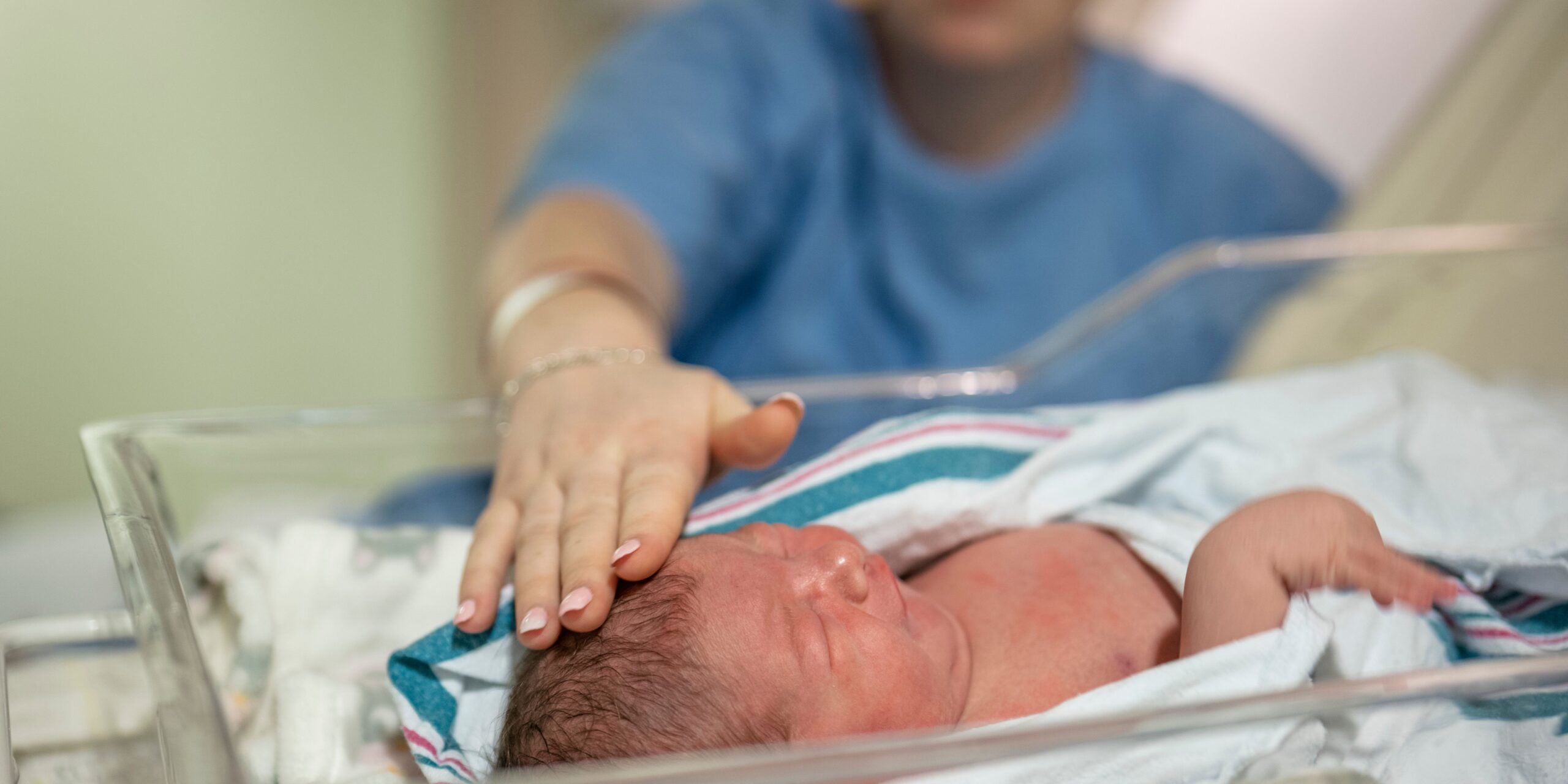
Bringing a new life into the world is extraordinary – but it also comes with challenges that go far beyond childbirth itself. For many mothers, especially in underserved regions like the Inland Empire, the weeks and months after delivery can be the most physically and emotionally demanding stage of motherhood. That’s why California’s 2026 maternal health initiatives are transforming how postpartum care is delivered by prioritizing enhanced care management, comprehensive postpartum care services, and equitable access to support in the Inland Empire.
For the first time, the focus is not only on keeping mothers alive – but on helping them feel supported, healthy, and emotionally empowered.
What Is Enhanced Care Management California?
Enhanced care management California (ECM) is a developing statewide healthcare model designed to help individuals with complex medical or emotional needs receive coordinated, continuous care. For new mothers, ECM has become a crucial support system.
ECM assigns each mother a dedicated care manager – often a nurse or trained case coordinator – who stays connected with her through pregnancy, postpartum recovery, and beyond. The coordinator ensures that the mother doesn’t have to navigate care on her own, especially during the overwhelming early months of motherhood.
What support does ECM provide for postpartum mothers?
Enhanced care management may include:
- Postpartum medical checkups and in-home vital assessments
- Mental health screenings and counseling referrals
- Breastfeeding and lactation coaching
- Pain management and physical recovery monitoring
- Help finding community-based programs and postpartum support groups
- Coordination for both in-person and virtual care based on the mother’s needs
One of the biggest advantages of ECM in 2026 is accessibility. Many mothers receiving Medi-Cal now qualify for enhanced care management, meaning financial limitations do not restrict access to postpartum support.
Instead of feeling alone or confused about where to seek help, ECM ensures mothers have someone walking beside them every step of the way.
Why Postpartum Care Service Is Essential – Not Optional
Historically, mothers were told to attend a single six-week checkup – and beyond that, recovery was their responsibility. Thankfully, healthcare in California has evolved. Today, postpartum care service is recognized as an essential part of maternal well-being.

A postpartum care service supports a mother’s physical, emotional, and social recovery after childbirth. This care acknowledges that recovery does not end once the baby arrives – in fact, healing and adjustment have only just begun.
What do postpartum care services typically include?
Whether provided in clinics, at home, or virtually, postpartum care services may support mothers with:
- C-section or vaginal birth recovery guidance
- Monitoring blood pressure, pain, healing, and sleep
- Lactation and bottle-feeding support
- Pelvic floor and mobility recovery
- Help establish feeding and newborn bonding routines
- Emotional support for anxiety, mood disorders, and identity changes
Many mothers aren’t just dealing with physical changes – they’re coping with pressures, exhaustion, hormonal shifts, and often a deep sense of overwhelm. In 2026, postpartum care programs in California will be designed to bridge the gap between medical recovery and emotional recovery, giving mothers the support they have always deserved.
Inland Empire Birth Equity: Addressing the Gap in Maternal Health
The term Inland Empire Birth Equity represents a movement – a commitment to ensuring that every mother, regardless of race, income, or background, receives safe and respectful maternal care.
Communities in San Bernardino and Riverside counties face disproportionately high maternal mortality rates, postpartum depression rates, and breastfeeding struggles – particularly among Black, Latina, Indigenous, and low-income mothers.
Birth equity is not just about resources – it’s about fairness, respect, and access to comprehensive care.
What stops mothers in the Inland Empire from getting postpartum care?
Common barriers include:
- Lack of transportation
- Limited insurance awareness
- Language and cultural barriers
- Shortage of maternal mental health providers
- Social stigma around postpartum depression
- Long waitlists for public health services
Enhanced care management and postpartum care programs play a critical role here – because they are designed to reach mothers where they are, rather than expecting mothers to navigate the system alone.
What are mothers searching for today?
Top real-world postpartum questions from Inland Empire families include:
- “How do I find a postpartum doula near me?”
- “Is lactation help available at home?”
- “Who do I call for postpartum depression support?”
- “Is there help for Black maternal health in the Inland Empire?”
2026 healthcare initiatives are responding by integrating:
- In-home postpartum visits
- Virtual mental health therapy
- Peer-support groups for mothers of color
- Bilingual lactation and newborn care professionals
- Collaboration with ECM to support postpartum depression screenings and follow-ups
The goal is equity – not just care.
How ECM + Postpartum Services Together Improve Birth Equity
When enhanced care management in California, postpartum care service, and Inland Empire Birth Equity efforts work together, mothers receive seamless and meaningful support.
What does that look like for a new mother?
A connected care approach may include:
| Phase | Support Example |
| Hospital discharge | ECM contacts the mother for care planning |
| Week 1 | In-home postpartum check + lactation specialist |
| Week 2–4 | Virtual mental health screening + emotional support |
| Month 1–3 | Recovery monitoring, physical therapy referrals, and newborn care coaching |
| Month 3–12 | Continued ECM support + transition to long-term wellness services |
This system supports early detection, prevention, access, and emotional belonging – the foundation of healthy motherhood and healthy families.
A New Chapter for California Mothers in 2026
Maternal care in California is evolving – and the Inland Empire is part of that transformation. Postpartum support is no longer a privilege for a few; it is becoming a right for every mother, regardless of income, identity, or birthplace.
By integrating enhanced care management, postpartum services, and birth equity initiatives, California is working to ensure:
- Every mother is heard.
- Every mother receives support – not judgment.
- Every mother gets equal access to healing, emotional care, and maternal mental health resources.
Motherhood should feel supported – not isolating. And in 2026, more mothers than ever are finally receiving the care they’ve long deserved.
Conclusion
Mothers deserve compassionate care, emotional understanding, and support that doesn’t end when they leave the hospital. With the growing collaboration between enhanced care management, postpartum care service, and Inland Empire Birth Equity initiatives, California is creating a future where every mother has the opportunity to recover, thrive, and feel valued.
Bridge Prenatal proudly supports this mission – providing mothers with personalized, whole-person care to strengthen postpartum healing, emotional well-being, and birth equity across the Inland Empire and beyond.