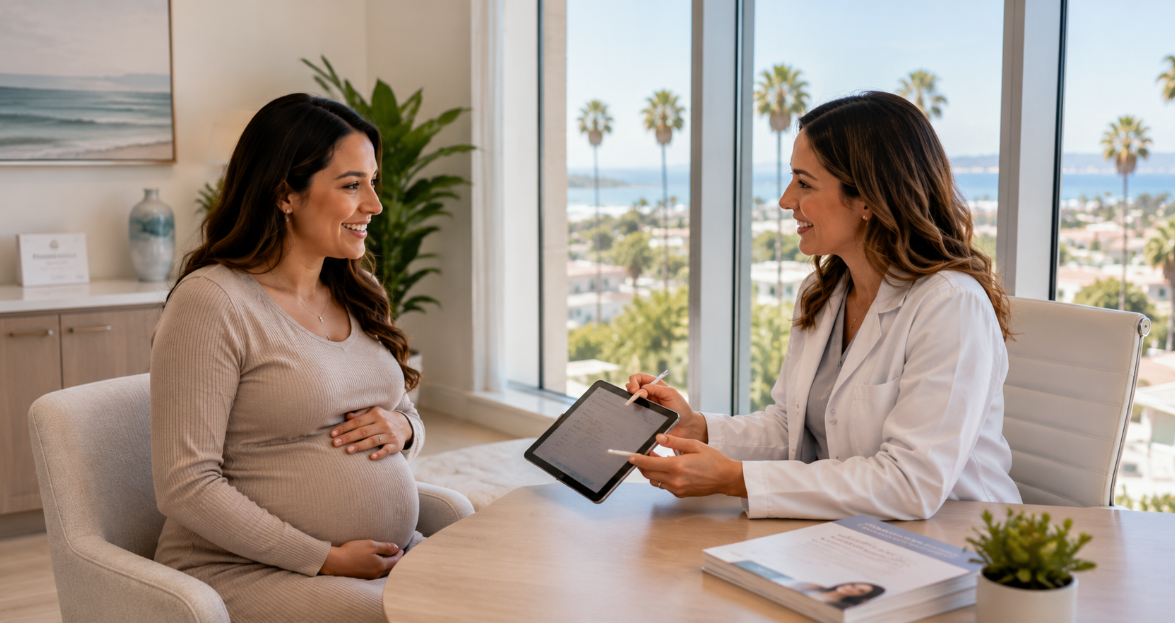
Pregnancy is an exciting journey, but it also comes with many questions, responsibilities, and unexpected challenges. From the moment you see a positive pregnancy test, your focus shifts toward keeping yourself and your baby healthy. Regular medical appointments, proper nutrition, emotional well-being, and preparing for childbirth all become essential parts of daily life.
However, many mothers discover that the journey doesn’t end once their baby is born. The weeks and months following childbirth—often called the “fourth trimester”—can be physically demanding and emotionally overwhelming. Between recovering from delivery, caring for a newborn, managing sleepless nights, and adjusting to a new routine, it’s easy for mothers to put their own health last.
This is why San Diego County maternal wellness is becoming an increasingly important topic for expecting and new mothers. Maternal wellness goes beyond routine medical checkups. It focuses on supporting women throughout pregnancy, childbirth, and postpartum recovery by addressing their physical, emotional, and mental well-being.
At the same time, access to quality prenatal and postnatal care in San Diego, California, helps mothers receive the guidance, education, and healthcare they need during every stage of motherhood. For families who may need additional support, programs such as Inland Empire ECM Riverside can also help coordinate care and connect eligible individuals with valuable community resources.
Whether you’re expecting your first child or expanding your family, understanding the importance of maternal wellness can help you make informed decisions and create a healthier start for both you and your baby.
What Is Maternal Wellness?
Maternal wellness refers to the overall health and well-being of women before, during, and after pregnancy. It recognizes that a healthy pregnancy is about much more than medical appointments—it involves caring for the whole person.
True maternal wellness includes physical health, emotional resilience, proper nutrition, mental health, and access to supportive healthcare services. When these areas work together, mothers are more likely to experience healthier pregnancies, smoother deliveries, and more positive postpartum recoveries.
Physical Wellness During Pregnancy
Physical health forms the foundation of maternal wellness. Regular prenatal visits help healthcare providers monitor both the mother’s health and the baby’s development while identifying potential concerns early.
Healthy physical wellness includes:
- Routine prenatal checkups
- Blood pressure monitoring
- Weight management
- Healthy nutrition
- Safe physical activity
- Managing existing medical conditions
- Taking recommended prenatal vitamins
These proactive steps can reduce pregnancy complications and improve birth outcomes.
Emotional and Mental Wellness
Pregnancy brings significant emotional changes. Hormonal shifts, lifestyle adjustments, work responsibilities, and preparing for parenthood can create stress and anxiety.
Supporting emotional wellness may include:
- Stress management techniques
- Open communication with healthcare providers
- Family support
- Mental health counseling when needed
- Childbirth education
- Building realistic expectations for motherhood
Taking care of emotional health is just as important as monitoring physical health.
Social and Community Support
Strong support systems can make pregnancy and postpartum recovery much easier.
Support may come from:
- Partners
- Family members
- Friends
- Community organizations
- Healthcare providers
- Maternal wellness programs
Having people to rely on often reduces stress and helps mothers feel more confident throughout their journey.
Why Prenatal and Postnatal Care in San Diego, California, Matters

Quality prenatal and postnatal care in San Diego, California, plays a vital role in protecting both mother and baby throughout pregnancy and recovery.
These services are designed to provide continuous care rather than focusing only on childbirth.
Benefits of Early Prenatal Care
Beginning prenatal care as early as possible allows healthcare providers to monitor the pregnancy closely from the start.
Benefits include:
- Confirming a healthy pregnancy
- Monitoring fetal growth and development
- Identifying high-risk pregnancies early
- Screening for medical conditions
- Providing nutritional guidance
- Answering questions about pregnancy and childbirth
- Preparing families for delivery
Regular prenatal care also gives mothers confidence by helping them understand what to expect during each stage of pregnancy.
Why Postnatal Care Is Equally Important
Many families assume that once the baby arrives, medical care becomes less important for the mother. In reality, the postpartum period is one of the most critical stages of maternal health.
Postnatal care focuses on:
- Physical recovery after childbirth
- Emotional well-being
- Breastfeeding support
- Monitoring healing
- Managing pain or discomfort
- Mental health screenings
- Family adjustment
Receiving consistent care after delivery helps mothers recover safely while reducing the risk of complications.
Common Challenges Mothers Face During Pregnancy and After Birth
Every pregnancy is unique, but many women experience similar concerns before and after childbirth. Understanding these challenges can help mothers seek support before small problems become overwhelming.
Pregnancy Challenges
Morning Sickness and Fatigue
Nausea, vomiting, and low energy levels are common during pregnancy. For some women, these symptoms improve after the first trimester, while others may experience them throughout pregnancy.
High-Risk Pregnancies
Some mothers require additional monitoring due to conditions such as:
- High blood pressure
- Gestational diabetes
- Multiple pregnancies
- Previous pregnancy complications
- Advanced maternal age
Receiving early prenatal care helps manage these risks effectively.
Nutrition Concerns
Many mothers worry about eating the right foods or gaining an appropriate amount of weight during pregnancy.
Healthcare providers can offer personalized nutritional guidance to support healthy fetal development.
Anxiety About Childbirth
Questions like:
- Will my baby be healthy?
- What happens during labor?
- Will I be able to breastfeed?
They are completely normal. Prenatal education helps reduce uncertainty and build confidence.
Postpartum Challenges
Recovery after childbirth often presents new challenges that many mothers don’t expect.
Physical Recovery
Whether a mother has a vaginal birth or a cesarean delivery, healing takes time.
Common recovery concerns include:
- Pain and soreness
- Fatigue
- Hormonal changes
- Healing from stitches or surgery
- Pelvic floor discomfort
Breastfeeding Difficulties
Learning to breastfeed can be challenging.
Common concerns include:
- Latch problems
- Milk supply questions
- Nipple pain
- Pumping schedules
- Feeding frequency
Professional lactation support can often resolve these issues quickly.
Sleep Deprivation
Newborns require frequent feeding, leaving many parents exhausted during the first several weeks.
Sleep deprivation can affect:
- Mood
- Physical recovery
- Decision-making
- Emotional resilience
Feeling Isolated
Many new mothers spend long hours at home caring for their baby while feeling disconnected from friends or family.
Building a support network can significantly improve emotional well-being.
Balancing Family Responsibilities
Managing household tasks, caring for older children, returning to work, and adjusting to a new routine can feel overwhelming.
No mother should feel pressured to handle everything alone.
Understanding Inland Empire ECM Riverside

Some families may benefit from additional care coordination during pregnancy and postpartum recovery. Inland Empire ECM Riverside refers to Enhanced Care Management (ECM) services available through eligible healthcare programs that are designed to help individuals with complex medical or social needs receive coordinated care.
Rather than replacing prenatal or postpartum care, ECM helps eligible individuals connect with healthcare providers, community resources, and supportive services that address barriers to receiving consistent care.
What Does Enhanced Care Management Do?
Enhanced Care Management is intended to improve continuity of care by helping coordinate services across different healthcare and community providers.
Depending on individual eligibility and needs, care coordination may include:
- Scheduling prenatal and postpartum appointments
- Connecting families with community support programs
- Coordinating behavioral health services
- Assisting with transportation resources
- Helping navigate healthcare systems
- Referring patients to nutrition or wellness programs
For mothers facing high-risk pregnancies or additional social challenges, coordinated care can reduce stress and improve access to important services.
How Maternal Wellness Programs Improve Pregnancy Outcomes
Comprehensive maternal wellness programs do more than provide routine healthcare—they create a support system that helps mothers feel informed, confident, and cared for throughout pregnancy and after childbirth. By combining medical care, education, emotional support, and community resources, these programs can lead to healthier outcomes for both mother and baby.
Healthier Pregnancies
Regular prenatal care allows healthcare providers to monitor fetal development, track the mother’s health, and detect potential complications early. Early intervention can make a significant difference in managing pregnancy-related conditions and reducing health risks.
Mothers who actively participate in maternal wellness programs are also more likely to:
- Attend routine prenatal appointments
- Follow personalized nutrition recommendations
- Stay physically active when medically appropriate
- Understand important pregnancy milestones
- Feel prepared for labor and delivery
Reduced Pregnancy Complications
Pregnancy complications cannot always be prevented, but they can often be managed more effectively through early monitoring and consistent care.
Healthcare providers may help identify concerns such as:
- Gestational diabetes
- High blood pressure
- Preterm labor risks
- Fetal growth concerns
- Nutritional deficiencies
Receiving timely care gives mothers the opportunity to make informed decisions and receive appropriate treatment when necessary.
Better Emotional and Mental Health
Pregnancy affects more than physical health. Emotional well-being plays a major role in both prenatal and postpartum recovery.
Maternal wellness programs often encourage mothers to:
- Talk openly about emotional concerns
- Learn stress management techniques
- Build strong support networks
- Access mental health resources when needed
Feeling emotionally supported throughout pregnancy can reduce anxiety and improve the overall pregnancy experience.
Improved Birth Outcomes
Healthy pregnancies are closely linked to positive birth outcomes. When mothers receive continuous prenatal care, maintain healthy habits, and have access to supportive healthcare professionals, they are more likely to experience smoother deliveries and healthier newborns.
Stronger Postpartum Recovery
Maternal wellness doesn’t end after childbirth. Ongoing postnatal care helps mothers recover physically while adjusting to life with a newborn.
Postpartum support may include:
- Monitoring recovery after delivery
- Breastfeeding assistance
- Emotional wellness screenings
- Nutrition guidance
- Newborn care education
This continuity of care helps mothers feel supported during one of the biggest transitions of their lives.
Tips for Improving Maternal Wellness During Pregnancy

Although every pregnancy is unique, there are several practical steps mothers can take to support their health and well-being.
Attend Every Prenatal Appointment
Regular prenatal visits allow healthcare providers to monitor both mother and baby while answering important questions throughout pregnancy.
Eat a Balanced Diet
Nutritious meals provide the vitamins and minerals needed to support fetal development and maintain maternal health.
Focus on foods rich in:
- Lean protein
- Whole grains
- Fruits and vegetables
- Calcium
- Iron
- Healthy fats
Always discuss nutritional supplements with your healthcare provider.
Stay Hydrated
Proper hydration supports circulation, digestion, and overall pregnancy health.
Get Safe Physical Activity
If approved by your healthcare provider, activities such as walking, prenatal yoga, and stretching may help improve circulation, reduce stress, and prepare the body for labor.
Prioritize Rest
Pregnancy places significant demands on the body. Getting enough sleep and allowing time for rest can improve both physical and emotional well-being.
Learn About Postpartum Recovery Before Delivery
Many parents spend months preparing for childbirth but very little time learning about postpartum recovery.
Understanding topics such as:
- Breastfeeding
- Physical recovery
- Mental health
- Newborn care
- Sleep expectations
can make the transition into parenthood less stressful.
Build a Strong Support Network
Support from partners, family members, friends, and healthcare professionals can make a tremendous difference throughout pregnancy and postpartum recovery.
Don’t hesitate to ask for help when you need it.
How to Choose the Right Prenatal and Postnatal Care Provider
Choosing a healthcare provider is one of the most important decisions you’ll make during pregnancy.
Look for Experience
Choose providers who have extensive experience supporting mothers throughout pregnancy, childbirth, and postpartum recovery.
Prioritize Compassionate Care
A good provider listens carefully, answers questions patiently, and creates an environment where mothers feel comfortable discussing their concerns.
Personalized Care Plans
Every pregnancy is different. Your care plan should reflect your individual health history, goals, and circumstances.
Care Coordination
If you require additional support or referrals, your provider should help coordinate care with specialists and community resources when appropriate.
Clear Communication
Healthcare information should be easy to understand. Providers who explain options clearly help mothers make informed decisions with confidence.
Postpartum Support
Ask whether postpartum care is included or whether additional services are available after delivery. Ongoing support during recovery can be just as valuable as prenatal care.
Frequently Asked Questions
What is maternal wellness?
Maternal wellness is a comprehensive approach to supporting a mother’s physical, emotional, and mental health before, during, and after pregnancy. It includes prenatal care, healthy lifestyle habits, postpartum recovery, and access to supportive healthcare services.
Why is prenatal care important?
Prenatal care helps monitor fetal development, identify potential pregnancy complications early, provide nutritional guidance, and support healthy pregnancies through regular medical checkups.
Why is postnatal care important?
Postnatal care helps mothers recover after childbirth by monitoring physical healing, supporting breastfeeding, addressing emotional well-being, and providing guidance during the postpartum period.
What is Inland Empire ECM Riverside?
Inland Empire ECM Riverside refers to Enhanced Care Management services available to eligible individuals through certain healthcare programs. ECM helps coordinate medical care, community resources, and supportive services for people with complex healthcare or social needs.
Who may qualify for ECM services?
Eligibility varies depending on individual circumstances and healthcare coverage. ECM programs are generally designed for people with complex medical or social needs, including some individuals with high-risk pregnancies or those who require additional care coordination. Check with your healthcare provider or health plan to determine eligibility.
What services are included in prenatal and postnatal care?
Prenatal and postnatal care may include:
- Routine medical checkups
- Pregnancy monitoring
- Nutrition counseling
- Breastfeeding support
- Postpartum recovery assessments
- Mental health screenings
- Family education
- Newborn care guidance
How can maternal wellness improve pregnancy outcomes?
Maternal wellness encourages healthy habits, regular medical care, emotional support, and early intervention when concerns arise. Together, these factors contribute to healthier pregnancies, safer deliveries, and improved postpartum recovery.
When should I begin prenatal care?
It’s recommended to schedule your first prenatal appointment as soon as you know you’re pregnant. Early prenatal care helps establish a healthy foundation for pregnancy and allows healthcare providers to monitor both mother and baby from the beginning.
Conclusion
Pregnancy and motherhood are life-changing experiences that require continuous care, education, and support. While preparing for childbirth is important, maintaining maternal health before and after delivery is equally essential for long-term well-being.
Prioritizing San Diego County maternal wellness helps mothers receive the physical, emotional, and educational support they need throughout pregnancy and postpartum recovery. Access to quality prenatal and postnatal care in San Diego, California, enables healthcare providers to monitor progress, address concerns early, and guide families through each stage of their journey. For mothers who require additional care coordination, programs such as Inland Empire ECM Riverside can also help connect eligible individuals with valuable healthcare and community resources.
Every mother deserves compassionate care that extends beyond the delivery room. By seeking support early, asking questions, and building a trusted healthcare team, families can create a healthier and more confident start to parenthood.
If you’re looking for personalized guidance throughout pregnancy and beyond, Bridge Prenatal provides compassionate prenatal and postnatal care designed to support maternal wellness, promote healthier pregnancies, and help families navigate every stage of their parenting journey with confidence.